

Shrinktube without adhesive
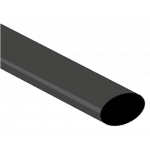
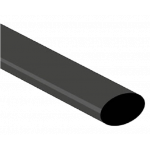
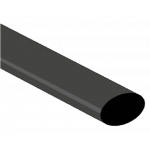
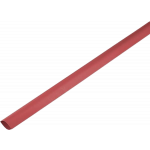
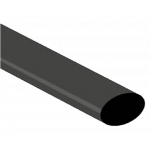
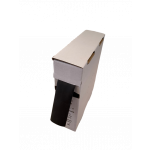
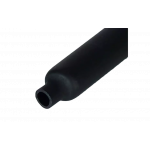
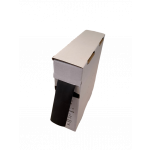
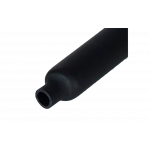
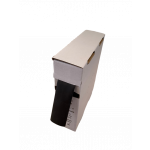
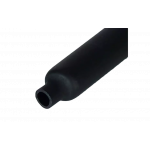
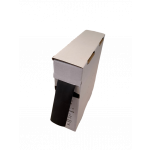
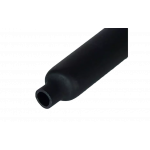
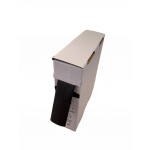
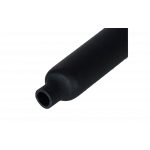
In the truck workshop and trailer manufacturing environment, heat shrink tubing without an adhesive lining is a standard component in the daily workflow of every electrician and vehicle builder. It is used to insulate, protect and neatly finish electrical connections, bare conductors, solder joints and terminal points across a wide range of HGV and trailer applications.
The material of choice for this type of tubing is polyolefin, which offers resistance to oils, fuels and mild chemicals. These are exactly the substances that wiring on a trailer or semi-trailer is regularly exposed to, particularly in the areas near the axles, brake systems, undercarriage lighting and coupling connections. Polyolefin maintains its insulating properties across a broad temperature range, which is relevant for vehicles operating in varying climatic conditions across long-distance European routes.
The absence of an adhesive layer distinguishes this type from lined alternatives and makes it particularly suitable for applications where the connection may need to be accessed again at a later stage. In a professional truck workshop setting, this is relevant during scheduled maintenance inspections, where technicians need to check individual connections without having to cut away bonded material. The 2:1 shrink ratio ensures a tight, secure fit around the conductor once heat is applied, regardless of the exact cable diameter within the specified range.
The product range covers a wide spectrum of diameters. At the lower end, very fine sizes starting from 1.2 mm pre-shrink diameter are available for use on thin sensor wires, individual conductors and small electronic connections found in modern HGV systems. These fine gauges are relevant in the context of ABS sensor wiring, temperature sensors and other signal-level cabling on trailers and semi-trailers. At the upper end of the range, diameters up to 38.1 mm provide coverage for heavy cable looms, thick junction sleeving and larger connectors typical of industrial trailer builds.
For the trailer wiring specialist, the mid-range diameters covering approximately 3.2 mm to 12.7 mm are the most frequently used. These sizes correspond to the majority of standard cable gauges used in trailer lighting circuits, ABS wiring harnesses, central cable runs along the chassis rail and plug group connections at the front of the semi-trailer. Having a reliable stock of these sizes ensures that repair and installation work in the workshop can proceed without delay.
Colour coding is a practical consideration in complex HGV wiring installations. Black is the default for most protective applications, but red variants are also available in the larger diameter range. Red is conventionally used in electrical installations to identify specific polarities or circuit functions, allowing technicians to trace and diagnose wiring on multi-axle trailers and semi-trailers more efficiently during service and repair.
In the professional truck workshop, heat shrink tubing without an adhesive layer is an essential consumable for any wiring repair or new installation on a trailer or HGV. Whether the application involves repairing a damaged conductor in a lighting harness, covering a soldered joint on an ABS cable, or insulating a terminal on a refrigerated trailer's electrical system, this material provides a reliable and clean result. Its chemical resistance and dimensional stability make it a consistent choice across the full range of trailer and HGV electrical work carried out in a professional workshop environment.