

Conduit
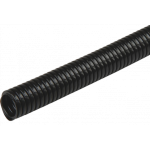
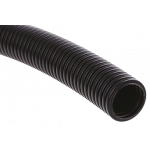
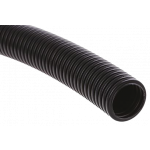
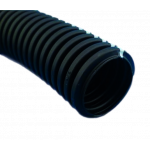
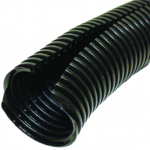
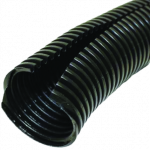
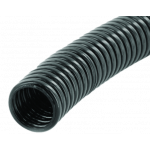
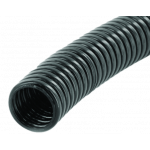
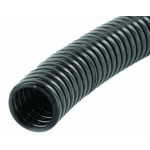
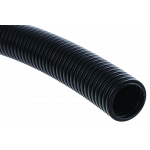
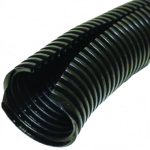
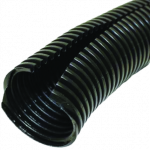
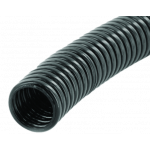
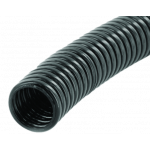
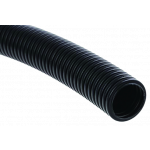
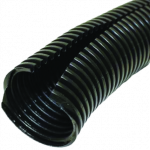
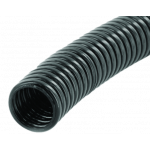
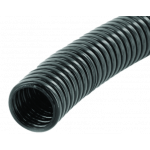
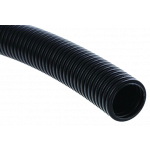
In the daily operations of a truck workshop and trailer manufacturing environment, protecting electrical cabling is a fundamental requirement. Trailers and HGV vehicles operate in conditions that expose their wiring to vibration, moisture, fuel, oil contamination and continuous mechanical stress. Without adequate protection, even correctly specified cables deteriorate prematurely, leading to electrical faults that cause downtime and safety risks. Closed protection conduit provides a durable solution by encasing cables and wire bundles in a continuous outer sleeve that shields the cable jacket from all sides.
Two primary materials are used for protection conduit in the truck and trailer sector: polypropylene and nylon. Polypropylene conduit is widely used across trailer assembly lines and on HGV chassis installations because it combines chemical resistance with flexibility and long-term stability under UV exposure. The closed wall construction means there is no longitudinal opening along the conduit, unlike split or slit variants. This prevents road dirt, abrasive particles and splashed fluids from reaching the cable insulation. In the context of trailer and HGV applications, where conduit runs beneath vehicles or along exposed chassis sections, this distinction directly affects the service life of the electrical installation.
Nylon protection conduit extends the performance range in applications where polypropylene reaches its limits. Nylon offers higher impact resistance at low temperatures and a higher melting point, making it appropriate for conduit runs near heat-generating components such as exhaust systems or brake assemblies on trailers and HGV trucks. The closed nylon conduit maintains its protective properties across a wider temperature range and is therefore chosen for technically demanding positions within the vehicle.
Selecting the correct internal diameter is as important as material selection. In a truck workshop, cable routes vary significantly in complexity. Single sensor or signal cables require conduit with an internal diameter between 4.5 and 9 mm. Bundled wiring groups, such as the combined lighting circuits on a trailer with multiple independently switched lighting zones, require an internal diameter of 11 to 16 mm to accommodate the bundle without excessive compression. For larger installations involving ABS wiring, electric lift axle control or refrigeration unit power supply on trailers, internal diameters from 22 to 35 mm are necessary to route cables cleanly through a single conduit run without kinking or placing strain on the cable jacket.
Protection conduit is supplied on 100-metre rolls, which suits the workflow of trailer manufacturers, HGV bodybuilders and transport companies with in-house workshops. Measuring and cutting directly from the roll during vehicle assembly reduces material waste and simplifies stock management on the workshop floor.
At conduit entry and exit points, appropriate fittings are required to secure the conduit and seal the transition into panels or enclosures. Tool-free push-in connectors compatible with specific conduit outer diameters allow fast, repeatable assembly in a truck workshop setting, providing both strain relief and a sealed interface at every penetration point.
In practical trailer and HGV applications, protection conduit is routed from the front connector box of the trailer along the full underfloor wiring run to rear lamps, side marker lights and underbody illumination. On the HGV truck itself, conduit protects wiring along the chassis, through cab wall penetrations and within the engine bay. This systematic use of closed protection conduit results in an electrical installation that meets the technical standards expected in professional trailer building and HGV bodywork.