

Butt connectors
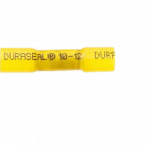
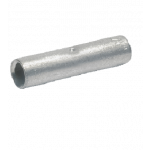
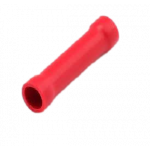
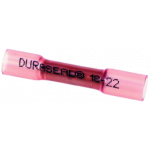
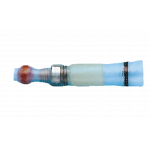
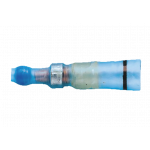
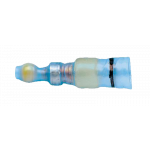
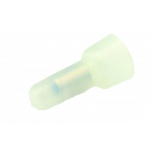
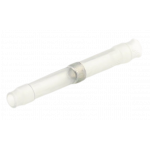
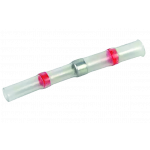
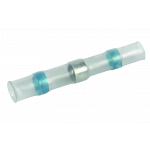
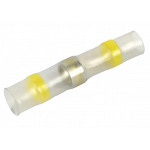
In any workshop that handles truck and trailer wiring on a daily basis, the reliability of every cable connection directly affects the performance of the entire electrical system. Cable joiners are a fundamental part of that work. Whether the task involves repairing a damaged wire in a semi-trailer, extending a cable run during trailer assembly, or making a clean splice inside a bodywork installation, the cable joiner truck is what allows a technician to produce a fast, secure and lasting result without the need for soldering.
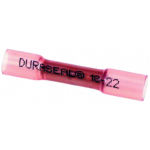
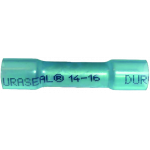
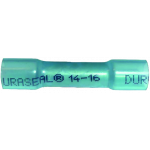
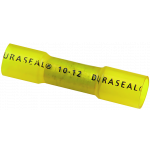
The most common wire splice HGV applications rely on joiners built around a brass crimp insert encased in a polyolefin heat-shrink sleeve. Many versions incorporate an integrated adhesive layer that melts when heat is applied, sealing the connection against moisture, dust and corrosive agents. This is the working principle behind the Duraseal series from TE Connectivity, which is among the most widely used ranges in professional vehicle electrics. When a heat gun is applied, the sleeve shrinks, the adhesive flows around the cable jacket and the result is a hermetic joint capable of withstanding the harsh conditions found beneath a trailer or inside a refrigerated body.
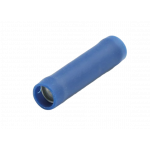
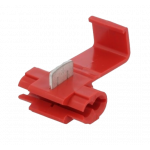
Colour coding serves a clear practical function on the workshop floor. Red is used for smaller cross-sections, typically from 0.5 to 1.5 mm², blue covers the mid-range from 1.5 to 2.5 mm², and yellow is designated for heavier conductors from 2.5 to 6 mm². This coding is widely recognised across the sector and allows the technician to select the correct connector at a glance, which matters particularly in trailer construction where harnesses containing dozens of conductors run through the chassis.
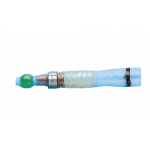
Beyond standard crimp joiners with an adhesive liner, solder connector trailer variants are also available. These incorporate a solder ring within the thermoplastic sleeve. When heat is applied, the solder flows over the conductors while the outer sleeve contracts around the cable jacket, creating both a mechanically strong and electrically conductive joint without a soldering iron. This makes them well suited for roadside repairs or confined installation spaces behind the cab where carrying additional tools is not practical.
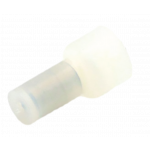
For applications where a cable end must be permanently sealed, end caps with an internal adhesive layer are available in a range of sizes covering cross-sections up to 12 mm². These are useful for sealing unused conductors in a harness or protecting cut cable ends during phased installation.
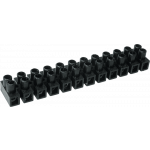
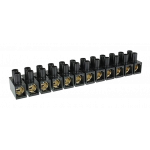
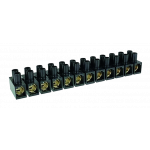
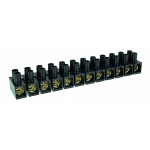
For structured, multi-conductor connections, terminal strips offer an alternative that does not require thermal tools. In workshop environments where electrical systems are regularly expanded or reconfigured, these connectors provide the flexibility to make reversible or accessible connections in a tidy and organised way.
The choice between a heat-shrink joiner, a solder connector or a terminal strip depends on the cable cross-section, the environmental exposure of the joint and the tools available. Beneath a trailer, near wheel arches or along the chassis rail, moisture resistance and vibration tolerance are the primary requirements. In those locations, adhesive-lined heat-shrink joiners have become the standard in professional HGV and trailer wiring.
For garages, trailer builders, bodywork manufacturers and haulage companies with their own maintenance facility, cable joiners are a stock item consumed in significant volumes. Dekoff supplies these connectors across the full range of cross-sections required in truck and trailer electrics, making them accessible for both series production and individual repair work.