

PUR cable
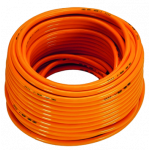
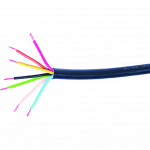
PUR cable is a standard material in any serious truck workshop or trailer manufacturing environment. Where conventional PVC-sheathed cables gradually deteriorate under the combined effects of mechanical stress, chemical exposure and temperature fluctuations, polyurethane provides a structurally more resilient alternative. That resilience directly translates into reduced maintenance intervals and greater reliability of the electrical installation across the service life of the vehicle.
The polyurethane sheath distinguishes itself from PVC through significantly higher resistance to abrasion, tearing forces, mineral oils and industrial cleaning agents. In a truck workshop, cables are routinely exposed to hydraulic fluid, diesel fuel, coolant and chemical cleaning products. PUR cable performs consistently in these conditions: the sheath remains flexible, does not absorb contaminants and retains its mechanical properties across a wide temperature range. This applies equally to fixed installations and to dynamic applications where the cable is subject to repeated bending, extension or vibration.
The Dekoff range of PUR cables covers a variety of core and cross-section combinations to match specific installation requirements. Two-core cables in smaller conductor sizes are suited to low-current signal circuits or lighting connections, while three-core versions with larger cross-sections are used for machinery, drives and heavier electrical systems on trailers and semi-trailers. Four-core PUR cables with a conductor cross-section of 2.5mm² per core are applied in multi-circuit configurations, reducing conduit fill and simplifying installation layout for the HGV technician.
The H07BQ-F designation, applicable to several cables in this range, confirms certification for use in both fixed and flexible installations where high demands are placed on flexibility and material resistance. Paired with a PUR sheath, this results in a cable well-suited to trailer wiring and to the connection of semi-trailers to tractor units. Trailer builders and bodybuilders frequently select this cable type for routing along the underside of the chassis, around suspension points and in close proximity to the braking system, since these areas are exposed to spray water, mud and ongoing mechanical influences.
When wiring a semi-trailer with a comprehensive electrical system including lighting, tail-lift controls, ABS and a refrigeration unit, conductor sizing becomes critical. PUR cables with a 6mm² cross-section per core are appropriate for the main supply to higher-load consumers, while smaller cross-sections serve signal lines and lighting circuits. The flexibility of PUR cable also makes it easier to route through cable trays and secure with cable clamps compared to stiffer alternatives.
A distinct position within the range is held by cables designed for ADR applications. Vehicles used for the transport of dangerous goods are subject to strict European regulations. The FLRYY11Y construction addresses this requirement: an additional polyethylene layer between the conductors and the outer sheath provides greater fire resistance and chemical protection than a standard FLRYY cable. For workshops maintaining or converting HGV vehicles operating under ADR rules, using the correct cable specification is not optional but a regulatory requirement.
In the daily practice of the truck workshop, trailer manufacturing and semi-trailer maintenance, PUR cable is a reliable and practical wiring material. Technicians value the combination of flexibility and durability, particularly in applications where the cable runs through moving parts, along hinge points or is regularly subjected to high-pressure cleaning with water or chemical agents. Dekoff supplies PUR cables in the configurations and cross-sections that meet the wiring demands of modern trucks, trailers and semi-trailers.