

Neoprene cable
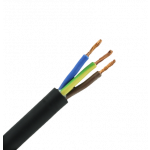

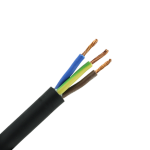


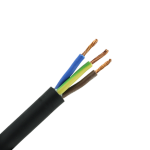
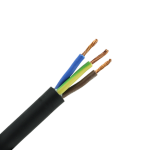
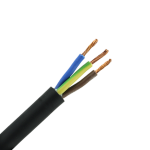
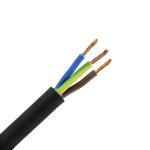
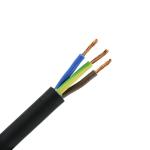
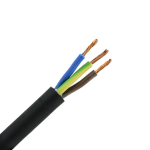
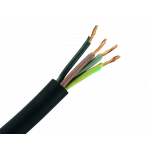
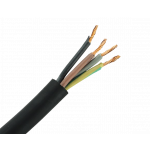
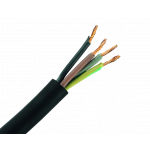
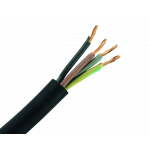
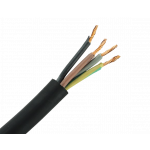
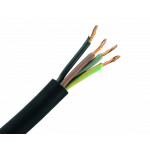
In the working environment of a trailer manufacturer or commercial vehicle workshop, electrical cables are exposed to conditions that few materials can endure without degradation. Oil spillage from hydraulic systems and lubrication points, prolonged exposure to sunlight and rain, friction against steel chassis components, and extreme temperature variations across seasons: these are the everyday conditions that neoprene cable is built to handle. The neoprene outer sheath provides reliable protection against moisture, UV radiation and ozone, while the oil resistant properties of the material make it particularly well-suited for use in environments where hydraulic fluids and lubricants are constantly present.
Neoprene cable for trailer construction is used across a wide range of electrical installations where flexibility under physical stress is essential. Cables routed along trailer frames, through body openings or around pivot points must retain their pliability even after years of vibration and movement. The stranded conductor construction within a neoprene-sheathed cable maintains flexibility at low temperatures as well, which is a practical advantage when installers work on trailers in cold conditions and need to route cable without risking damage to the insulation or the sheath.
The H07RN-F standard is the applicable European norm for heavy-duty rubber-sheathed cables. It defines the requirements for sheath material, conductor insulation and mechanical performance that ensure a cable can be used reliably in industrial outdoor environments and under conditions of continuous mechanical stress. In the trailer and heavy goods vehicle sector, compliance with H07RN-F serves as a meaningful technical reference, confirming that the cable meets the demands of professional installation in mobile and outdoor applications.
The conductor cross-section determines the appropriate application for each neoprene cable type. Smaller cross-sections of 1.5 mm² and 2.5 mm² are suited to lighting circuits, sensor wiring and auxiliary systems where current demand is limited but environmental conditions remain demanding. Cross-sections of 4, 6 or 10 mm² are used where higher current loads are required, such as powering compressors, generators, hydraulic pump motors or other electrically driven equipment mounted on trailers or working vehicles.
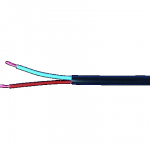
The number of conductors within the cable defines which circuit configurations are possible. Two-conductor versions cover basic supply and return circuits. Three-conductor cables allow connection of three-phase systems without a neutral conductor, which is relevant for aggregates and electrically driven hydraulic systems used on heavy trailers. Four-conductor versions accommodate more complex installations where multiple circuits run through a single cable path, reducing the number of cable entries through frame sections and bodywork panels.
Rubber cable outdoor use on HGVs and trailers is not only about weather resistance. The routing of cables adjacent to hydraulic cylinders, lift mechanisms or fuel systems means that oil contact is a realistic operational condition. A sheath that is not chemically resistant to oils and greases will harden, crack or lose its insulating integrity over time. The neoprene compound maintains its physical and electrical properties after prolonged chemical exposure, making it the appropriate material for installations where this risk exists.
For wholesalers and trade distributors supplying professional workshops, availability in multiple lengths and formats is a practical consideration. Drum lengths of 25, 50 and 100 metres, as well as reel-wound formats, match the purchasing patterns of workshops that work on a project basis or maintain a regular throughput of cable work. The reel format offers controlled unwinding without kinking or sheath damage, which directly supports installation quality on the workshop floor.
In the daily practice of trailer builders, body builders and HGV workshops, neoprene cable is the standard choice for any installation where the cable runs outside the cab or bodywork, passes through areas exposed to mechanical contact, or must withstand continuous outdoor conditions. From refrigeration unit wiring on a curtainsider to power feeds for hydraulic tail lifts or exterior lighting on a tipper trailer, the combination of oil resistance, UV stability, mechanical flexibility and H07RN-F compliance makes this cable type the appropriate specification for professional electrical work in the truck and trailer sector.